## The Moisture-Pest Connection
Excess moisture in your home attracts and sustains multiple pest species:
- **Cockroaches**: Need water to survive; moisture enables survival
- **Silverfish**: Thrive in damp, cool environments
- **Bed bugs**: Increase reproduction in humid conditions
- **Booklice**: Feed on mold (moisture-related)
Studies show that over 60% of pest infestations are correlated with high humidity levels. Controlling moisture is often 50% of the pest prevention solution.
## Identifying Moisture Problems
**Common signs of excess moisture:**
- Visible condensation on windows, pipes, or walls
- Musty odors (mold growth indicator)
- Mold or mildew spots
- Water stains on ceilings or walls
- Peeling paint or wallpaper
- Warped wood or carpet
**Root causes:**
- Poor ventilation (bathrooms, kitchens)
- Leaks in roof, pipes, or foundation
- Inadequate insulation
- High indoor humidity from cooking/washing
- External water intrusion from grading issues
Moisture problems are worse in winter due to heating + outdoor moisture entering the home.
## Assessing Moisture Issues
**DIY assessment tools:**
- Humidity meter (hygrometer): €10-20
- Moisture meter for walls: €20-50
- Target: Keep relative humidity between 30-50%
**Visual inspection checklist:**
- Check under sinks for pipe condensation
- Inspect attic for water stains
- Look for salt deposits (efflorescence) in basement
- Feel wall surfaces for dampness
## Ventilation Solutions
**Bathroom ventilation:**
- Install or upgrade exhaust fan (size: bathroom sq ft × 1.07 CFM)
- Vent must go outside, not to attic
- Run for 20-30 minutes after showers
- Consider timer switches for automation
**Kitchen ventilation:**
- Range hood is essential for cooking moisture
- Ducted (external) hoods superior to recirculating
- Must extend outside, not to attic
**General ventilation:**
- Open windows when weather permits (creates air circulation)
- Cross-ventilation: Open opposite windows to create flow
- Bathroom/kitchen fans running cost ~€5-10/month to operate
Cost estimates: Bathroom fan €80-200, range hood €200-600
## Dehumidification Strategies
**Portable dehumidifiers:**
- Refrigerant models: Effective 40-80°F
- Desiccant models: Better for cold spaces
- Cost: €100-400
- Sizing: Match to room volume
**Natural methods:**
- Passive ventilation and air circulation
- Activated charcoal containers
- Calcium chloride products (temporary fix only)
**HVAC modifications:**
- Whole-home dehumidification: €2000+
- Professional assessment recommended
## Structural Fixes
**Insulation improvements:**
- Poor insulation causes cold interior surfaces that attract condensation
- Pipe insulation: Wrap exposed pipes (basement especially)
- Wall insulation: Reduces condensation on interior surfaces
**Waterproofing measures:**
- Foundation sealing: Stop water infiltration
- Grading: Ensure water slopes away from house
- Gutters/downspouts: Extend 5+ feet from foundation
- Sump pumps: Manage groundwater in basements
These long-term fixes (€1000+) are investments that prevent repeated pest problems.
## Action Plan: 7-Day Moisture Control
**Day 1**: Measure humidity in major rooms (get baseline)
**Days 2-3**: Increase ventilation (run bathroom fans, open windows)
**Day 4**: Fix leaks (check pipes, faucets, roof)
**Day 5**: Add dehumidification if needed
**Day 6**: Wrap pipes and insulate cold surfaces
**Day 7**: Re-measure humidity and track changes
Ongoing maintenance: Weekly humidity checks during heating season
## Conclusion
Moisture control is foundational to pest prevention. Combined with sealed entry points and proper sanitation, humidity management prevents pest infestations before they start. Target 30-50% humidity, ensure proper ventilation, and fix leaks promptly.
Schedule a moisture assessment to identify sources and get professional recommendations.

Damp & Moisture: Root Cause of Indoor Pests
Excess moisture attracts cockroaches, silverfish, and bed bugs. Learn how to control humidity and prevent pest infestations.
ByViking Pest Team
7 min read
Related Posts
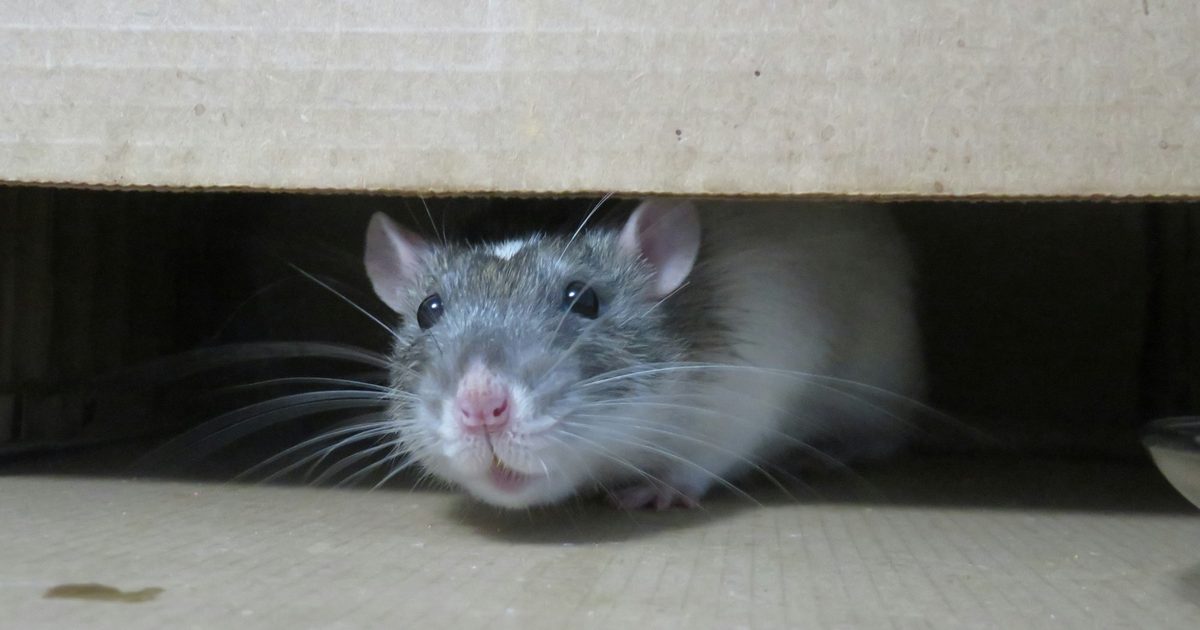
How to Prevent Rodents in Winter
Learn effective rodent prevention strategies for winter. Inspect, seal, and protect your home from rats and mice before temperatures drop.
Read More →
Spring Pest Prevention Checklist
Spring checklist for pest prevention. Inspect, clean, and seal your home before warm weather brings increased pest activity.
Read More →